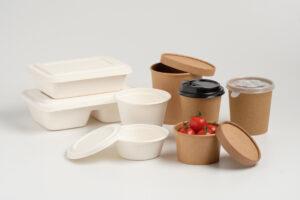
In an era where food delivery is booming, eating from takeout boxes has become a daily routine for many. As environmental awareness grows, consumers are increasingly choosing “paper boxes” over plastic, believing them to be biodegradable and inherently safer. But an important question often gets overlooked: Is your food packaging safe? What looks clean and eco-friendly might actually harbor hidden dangers if the manufacturing process isn’t up to standard.
This article dives deep into the reality behind food packaging to answer the pressing question: Are paper food containers safe? We will also explore the “forever chemicals” known as PFAS that consumers need to watch out for, and what restaurant owners must know to stay compliant.
The Big Question: Are Paper Food Containers Safe?
By nature, paper is neither water-resistant nor grease-resistant. Imagine putting fried food directly on standard printer paper—the oil would soak right through in seconds. Therefore, to make paper boxes capable of holding hot, greasy, or liquid-heavy foods, manufacturers must apply a specific coating to the paper’s surface to seal its pores.
For decades, the packaging industry’s go-to solution for water and grease resistance has been a group of chemicals known as PFAS (Per- and Polyfluoroalkyl Substances).
The paper itself isn’t the problem; the “coating” is. If the packaging uses low-quality coatings, or if the coating degrades when exposed to extreme heat or highly acidic foods, these chemicals can leach directly into our meals and eventually into our bodies.
What Are PFAS? Why Are They Called "Forever Chemicals"?
PFAS are a large group of synthetic chemicals renowned for their exceptional resistance to water, oil, and heat. Because of these properties, they have been widely used in various industries—from non-stick Teflon pans and waterproof clothing to paper food packaging.
However, their greatest advantage is also their most severe flaw: they do not break down naturally in the environment. This resilience has earned them the nickname “Forever Chemicals” within the scientific community.
When these chemicals enter the body through contaminated food, they accumulate in the blood and organs. Numerous studies suggest that long-term PFAS exposure may increase the risk of serious health issues, including:
Weakened immune systems
Hormone and thyroid disruption
Developmental issues in children
And crucially, they are identified as a hidden source of cancer risks in packaging that many people overlook.
What is a Food Contact Material? What Business Owners Need to Know
For restaurant owners and food brand developers, understanding Food Contact Material (FCM) regulations is key to maintaining customer safety and trust.
A Food Contact Material is any material or packaging intended to come into direct contact with food. This includes takeout boxes, plastic bags, cups, straws, and cutlery.
These materials must undergo rigorous testing to meet Food Grade safety standards. This certification guarantees that the material will not transfer harmful chemicals (including PFAS, heavy metals, or other carcinogens) into the food in quantities that could endanger human health.
Export Food Packaging Standards: The Global Move to Ban PFAS
If you run a food export business or want to elevate your restaurant brand to international standards, staying updated on export food packaging standards is non-negotiable.
Globally, there is a massive awakening regarding the dangers of these chemicals:
The United States and the European Union (EU): Several states and countries have already enacted strict laws banning the intentional use of PFAS in food packaging.
Global Food Packaging Trends: The industry is rapidly shifting toward genuinely PFAS-free food containers. These modern alternatives are not only safe for human consumption but are also 100% biodegradable and eco-friendly from production to disposal.
105.00 ฿–1,888.55 ฿Price range: 105.00 ฿ through 1,888.55 ฿
Select options
This product has multiple variants. The options may be chosen on the product page
How to Choose Safe Food Containers for Your Business
In today’s market, choosing packaging isn’t just about aesthetics or finding the cheapest option; it’s about corporate responsibility and consumer health. Here is how you can ensure you are selecting safe packaging:
Ask for Certifications: Choose manufacturers that hold recognized Food Grade certifications or international safety standards (such as FDA or GMP/HACCP compliance for packaging).
Look for PFAS-Free Labels: Ensure the factory utilizes modern coating technologies that are completely free of harmful chemicals.
Choose a Reliable Manufacturer: Partner with experts who specialize specifically in food packaging and can provide transparent advice on materials.
Opting for safe packaging protects your customers’ health while simultaneously building long-term trust and elevating your brand’s professional image.
Elevate Your Brand with World-Class Safe Packaging If your business is looking for safe, PFAS-free food packaging that meets modern eco-friendly trends, Kitchenclass offers comprehensive packaging solutions designed specifically for the food industry. We combine functional excellence with outstanding design, all while strictly adhering to international Food Grade safety standards—so you can deliver delicious meals to your customers with absolute confidence.